The Oni Mask Isn't a Trend — It's a Statement: Wearing Japanese Symbolism the Right Way
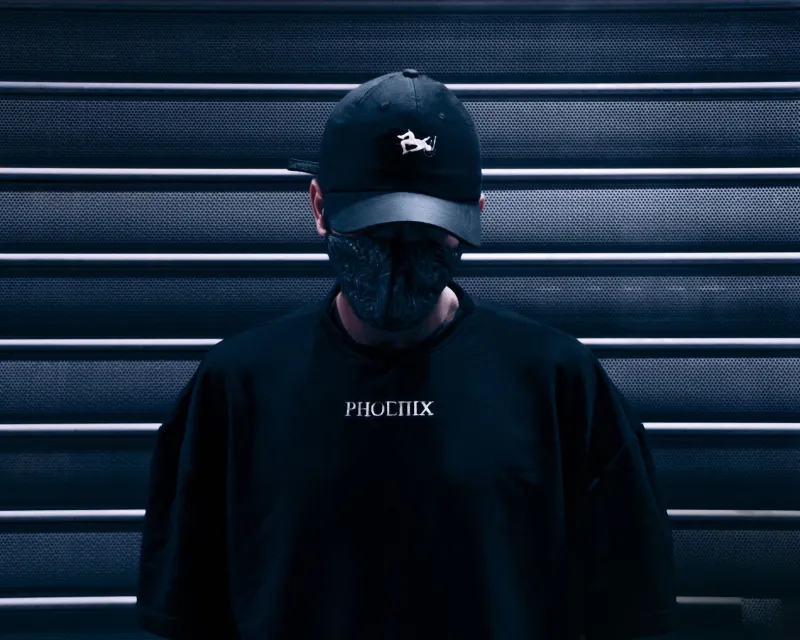
Scroll through any streetwear feed right now and you'll see it: the horned face, the wild eyes, the bared teeth. The oni mask has become one of the defining visual signatures of contemporary menswear. It shows up on hoodies, embroidered on jackets, printed across the backs of bombers, rendered in ink on forearms from Brooklyn to Los Angeles. It's everywhere.
But here's the thing about symbols — they carry weight whether you acknowledge it or not. And the oni, specifically, carries a lot.
What the Oni Actually Is
In Japanese folklore, the oni is a complex figure. Part demon, part guardian, part cautionary tale. These supernatural beings appear throughout Japanese mythology as forces of chaos and punishment — but also, in certain traditions, as protectors. The Setsubun festival, celebrated every February across Japan, involves throwing beans to drive oni away. Yet oni are also carved into temple architecture specifically to ward off evil spirits. They're feared and respected in equal measure.
The iconic visual — the horned, grimacing face with wild hair and fierce eyes — is one of the most recognizable symbols in Japanese visual culture. It's appeared in kabuki theater, woodblock prints, tattoo traditions, and religious iconography for centuries. This isn't a logo someone designed last year. It's a living symbol with roots that go deep.
So when it lands on a $60 hoodie in a fast-fashion warehouse, something gets lost. And when it's integrated thoughtfully into a piece of clothing with genuine intention behind it, something gets preserved — and maybe even extended.
The Appropriation Question (Let's Actually Address It)
Cultural appropriation is a conversation that makes a lot of people uncomfortable, which is exactly why it's worth having clearly. The line between appreciation and appropriation isn't always obvious, but there are a few honest questions worth asking before you reach for the checkout button.
Do you know what you're wearing? Not just aesthetically — but conceptually. Does the brand you're buying from engage with the cultural context behind the imagery, or are they just mining it for visual impact? Is there any connection — creative, collaborative, or otherwise — between the people making the clothing and the culture being referenced?
None of these questions have simple yes/no answers. But they're the right questions to ask.
What cultural appropriation actually looks like in fashion is a brand lifting a sacred or culturally specific symbol, stripping it of all meaning, and selling it to consumers who have no idea what they're wearing. What cultural appreciation looks like is designers — regardless of their own background — doing the work to understand what a symbol means, engaging with its history honestly, and creating something that adds to the conversation rather than just borrowing from it.
Designers Getting It Right
There are real examples of this being done well. Jun Takahashi of Undercover has spent decades building a design language that draws from Japanese folklore and subculture while constantly evolving it — the imagery is never decorative filler, it's narrative. Takahashi's work asks you to think about what you're wearing.
On the American side, designers and brands with genuine connections to Japanese culture — through collaboration, education, or community — have found ways to incorporate oni imagery that feels earned. Some of the most compelling examples come from the tattoo community, where Japanese traditional tattooing (irezumi) has been practiced by American artists who've spent years studying under Japanese masters. The knowledge transfer is real, the respect is built in.
Closer to streetwear, brands that work directly with Japanese artists and craftspeople — sourcing embroidery from Kyoto, working with designers based in Tokyo, or building collections in actual dialogue with Japanese creative communities — bring a different kind of legitimacy to the imagery. You can feel the difference.
Why the Oni Resonates Right Now
Here's an honest opinion: the oni mask is having its moment in American streetwear for reasons that go beyond aesthetics. There's something about the figure itself — the duality of it, the idea of a being that is simultaneously threatening and protective, feared and respected — that speaks to something a lot of young American men feel right now.
We're living in a moment where traditional ideas about masculinity are being questioned and rebuilt. The oni, as a symbol, holds that tension. It's fierce without being simple. It's powerful without being one-dimensional. It's ancient without feeling irrelevant. For a generation that grew up on anime and manga and has a genuine emotional relationship with Japanese visual culture, wearing that symbol isn't an act of performance — it's an act of identification.
That's actually meaningful. And it's worth protecting.
What Wearing It Well Actually Looks Like
Wearing Japanese symbolism thoughtfully doesn't require a PhD in folklore. It requires some basic respect and a willingness to know what you're actually wearing. Read about it. Buy from brands that are transparent about their creative process and their relationships with the cultures they draw from. When someone asks about the imagery on your jacket, be able to say something more than 'it looked cool.'
Because it does look cool. That's not in question. The oni mask is a genuinely powerful visual — thousands of years of artistic tradition have made it that way. The question is whether the person wearing it is adding something to its story or just using it up.
At Oni Cloth, the name isn't accidental. We built our identity around that symbol because we believe in what it represents — the edge between worlds, the tension between strength and vulnerability, the refusal to be easily categorized. That's what we think contemporary style should do. Not just cover your body, but say something true about who you are.
The oni mask, worn right, does exactly that. Wear it like you mean it.