Stop Buying the Story, Start Reading the Tag: How Label Literacy Became the New Street Cred
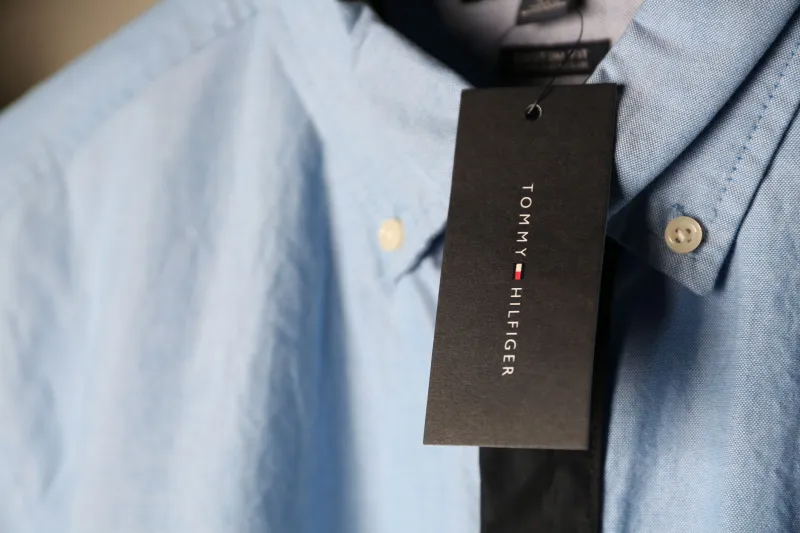
Somewhere between the glossy campaign imagery and the influencer unboxing, the actual clothes got lost. Not physically — they showed up, they shipped, they arrived in mailers that smelled like ambition. But the truth of the clothes? That got buried under a layer of branding so thick it might as well have been a second fabric. For years, that was fine. Consumers bought the story. Now, a whole generation is buying the tag instead.
Label literacy — the practice of actually understanding what the text on your clothing's care label means — has quietly become one of the sharpest tools in the modern shopper's kit. And for the kind of person who cares about what they wear beyond clout or convenience, it's becoming a baseline expectation.
What the Tag Is Actually Trying to Tell You
Most people glance at the care label long enough to confirm something goes in the dryer, then move on. That's exactly what fast fashion brands are counting on. Because buried in that tiny rectangle of woven text is a blueprint for whether a garment is worth your money — or just worth a season.
Fiber composition is the starting point. A label reading "100% polyester" on a $90 hoodie is not the same value proposition as one reading "100% polyester" on a $25 athletic layer built specifically for moisture management. Context matters, but so does honesty. Where it gets murky is in the blends. "Polyester-cotton blend" can mean anything from a durable 60/40 workwear mix to a thin, pill-prone 85/15 that exists purely to hit a lower price point while letting the brand say the word cotton in the product description.
Then there's fabric weight, usually measured in GSM — grams per square meter. You won't always find this on a retail tag, but it's increasingly available in product specs online, and knowing how to use it changes everything. A 180 GSM tee is lightweight, breathable, summer-ready. A 320 GSM heavyweight fleece is built to last through winters and repeated washes without going thin at the shoulders. When a brand advertises a "premium heavyweight" and the GSM sits at 240, that's not a lie exactly — but it's not the whole truth either.
The Intentional Fog
Here's the part that should actually bother you: the opacity isn't accidental. Fast fashion brands have spent decades engineering a purchasing environment where the less you know, the more freely you spend. Vague descriptors like premium, elevated, and luxury feel exist specifically because they carry emotional weight without legal obligation. Nobody's getting sued for calling a rayon blend "elevated."
Manufacturing transparency is another layer of the fog. "Made in [country]" tells you where the final assembly happened — not where the fabric was milled, where the dye was applied, or what labor conditions looked like at any point in the supply chain. A garment can be "Made in Portugal" and still carry cotton that was grown and processed under exploitative conditions three countries over. The tag gives you a data point, not a story.
What's changed recently is that a significant chunk of Gen Z shoppers — the ones who grew up with instant access to information and zero patience for being talked down to — started demanding more. They started cross-referencing. They started asking questions in brand comment sections that PR teams weren't prepared to answer. And some of them started sharing what they found.
Reading Labels as a Form of Resistance
There's something genuinely punk about flipping a tag before you buy. It's a small act, but it's a direct confrontation with a system that profits from your passivity. When you know that a fabric labeled "bamboo" has likely been chemically processed into viscose rayon — stripping most of its natural properties in the process — and you call that out, you're doing something the industry actively tried to prevent.
This is especially visible in streetwear circles, where the tension between hype and substance has always been real. Drops sell out in minutes based on brand energy alone. But the conversation after the drop — in Discord servers, Reddit threads, and TikTok reviews — increasingly includes people weighing in on whether the actual product delivered. Stitching quality. Fabric hand-feel. Whether the colorway held after three washes. The vibe still matters, but it's no longer the only thing that matters.
Japanese brands have understood this for decades. The obsessive material documentation you'll find from labels out of Tokyo or Osaka — fabric sourcing details, loom specifications, dye lot information — isn't just about craftsmanship signaling. It's about respect for the customer as someone capable of understanding what they're buying. American streetwear is slowly absorbing that ethos, partly because consumers are demanding it and partly because the brands that operate with transparency are building loyalty that outlasts any single drop cycle.
What to Actually Look For
If you're starting to build your label literacy, here's a practical framework:
Fiber first. Natural fibers like cotton, wool, and linen breathe, age well, and generally hold up to repeated washing better than synthetics in everyday wear contexts. Synthetics aren't automatically bad — performance fabrics have their place — but know what you're getting and why.
Weight second. Seek out GSM information wherever you can find it. If a brand doesn't publish it, ask. Brands that know their product will answer. Brands that don't know — or don't want you to know — won't.
Country of origin as a starting point, not an endpoint. Use it to prompt further questions about the supply chain, not as a shortcut to a quality judgment.
Certifications matter, but verify them. GOTS (Global Organic Textile Standard), OEKO-TEX, and bluesign are legitimate third-party certifications with actual audit processes behind them. "Eco-friendly" with no certification is a marketing phrase, not a standard.
Trust your hands. No label substitutes for touching the fabric. Does it feel substantial? Does it drape or cling in ways that suggest quality construction? Your tactile instincts, once trained, are one of the most reliable tools you have.
The Edge Is in the Details
Wearing well isn't just about silhouette or colorway or copping the right brand. It's about knowing what you're actually putting on your body and why it's worth your money. The brands that are building something real — whether that's a small domestic label stitching out of a warehouse in Los Angeles or a Japanese workshop producing two hundred units of a single jacket per year — they're not hiding their materials. They're leading with them.
The rebellion against fast fashion's intentional opacity doesn't require a manifesto or a lifestyle overhaul. It starts with flipping the tag. Reading what's there. Knowing enough to recognize when something adds up — and when it doesn't.
That's the edge. And it fits everyone.