Dressed for the Fight: Why Gen Z Ditched 'Easy' Fashion for Fits That Hit Like Armor
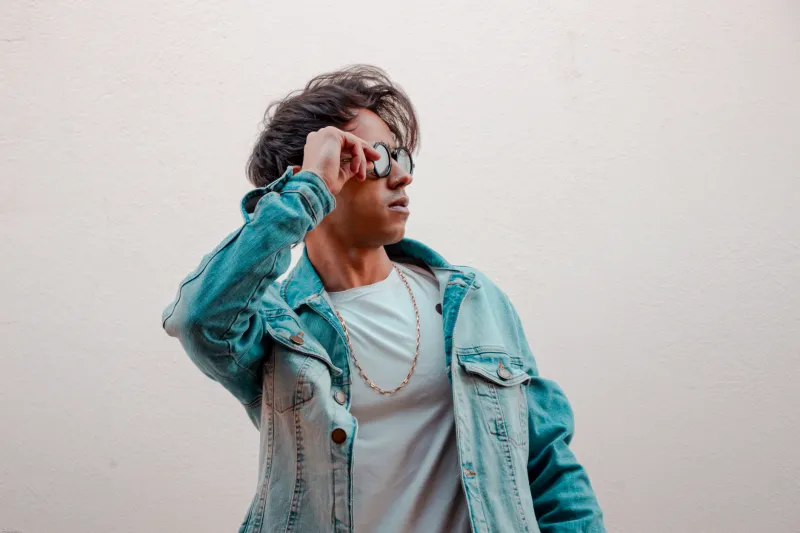
Somewhere along the way, "effortless" became the highest compliment you could pay a fit. Slip-on sneakers, neutral palettes, clean lines, nothing too loud, nothing too deliberate — the aesthetic of a person who just happened to look that put-together. Instagram made it aspirational. Pinterest boards made it a lifestyle. An entire generation of millennial consumers built their wardrobes around the idea that the best style is the kind that looks like you didn't try.
Gen Z watched all of that happen. And then they went in the opposite direction.
What's emerging from the younger end of the American fashion market right now isn't subtle. It's layered. It's structural. It's got pockets where pockets have no business being, proportions that shouldn't work but somehow do, and a weight to it — both literal and figurative — that feels nothing like effortless. It feels intentional. It feels, if you want to be honest about it, like armor.
And I think that's exactly the point.
The End of the Effortless Era
The "effortless" aesthetic wasn't really effortless, of course. It required a specific body type to pull off, a specific income level to sustain, and a specific relationship with visibility — one that said I belong here so completely that I don't need to announce myself. It was, in a lot of ways, the aesthetic of comfort and security. Of people who didn't feel like they had anything to prove.
For a generation that inherited a housing crisis, a pandemic, a fractured social media landscape, and a general cultural sense that the floor could drop out at any moment, that kind of breezy confidence reads as either a lie or a luxury. Either way, it doesn't feel like the right outfit for the moment.
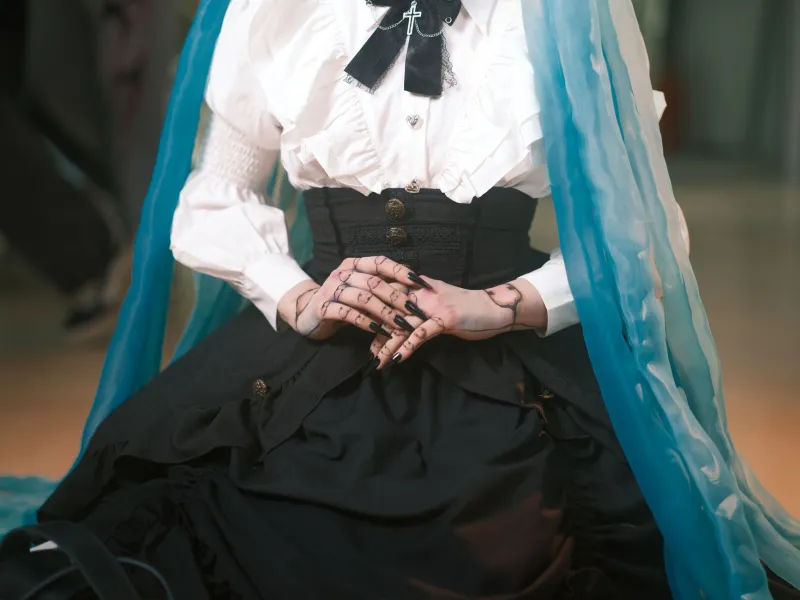
So Gen Z started building something different. Bigger silhouettes that create physical presence. Heavy fabrics that feel like a second skin. Utility pockets that say I am prepared even when the only thing going in them is a phone and some lip balm. Layering that creates depth and complexity — multiple visual planes that take a second to read, that reward attention.
These aren't outfits designed to disappear. They're designed to land.
Loud Comfort Is a Different Thing Than Comfort
Here's what's easy to misread about this shift: it's not anti-comfort. Gen Z didn't decide that suffering for fashion was back. Baggy silhouettes, soft fabrications, roomy fits — these are physically comfortable choices. But they're psychologically doing something very different from the comfort-first aesthetic of, say, the athleisure peak.
Athleisure comfort said: I want to feel like I'm not wearing anything. The armor aesthetic says: I want to feel like I'm wearing something that has my back.
That's a meaningful distinction. One is about disappearing into ease. The other is about being equipped. And when you look at the cultural context — the digital overwhelm, the ambient anxiety, the sense that public space (both physical and online) is a place where you can be perceived, judged, and dissected at any moment — the desire to feel equipped makes a lot of sense.
Layering becomes a buffer. Exaggerated proportions create a kind of physical boundary. Heavy outerwear is, functionally, a shell. The fit becomes a way of managing your interface with the world.
The Silhouette as Identity Declaration
There's another dimension here that goes beyond protection. These fits are also loud in a way that previous aesthetics explicitly weren't. They say something. They take up space. They demand a read.
For a generation that came of age in the era of personal branding — where your social media presence is your identity, where everything you post is a statement, where the question of how do you want to be perceived is basically a life skill — the idea of a wardrobe that communicates clearly and deliberately isn't vanity. It's strategy.
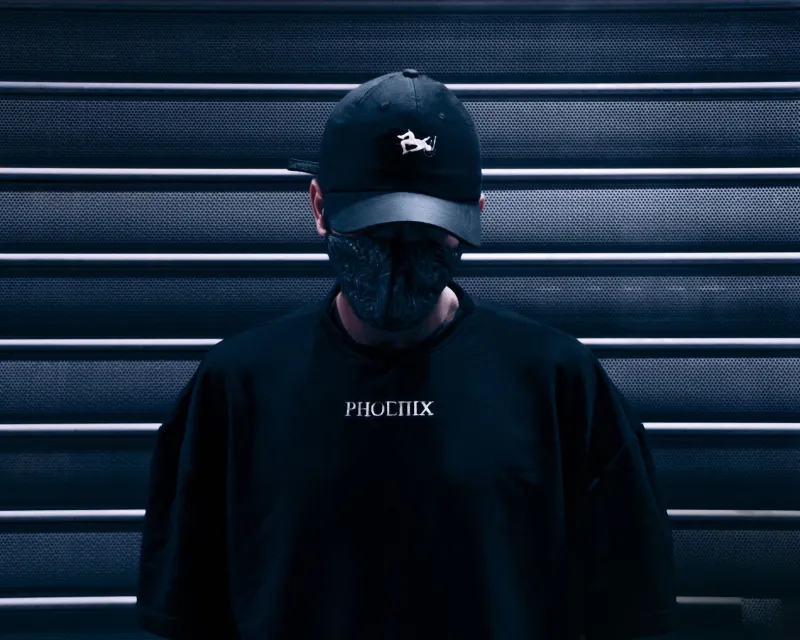
The graphic tee with the heavy symbolism, the structured jacket with the asymmetric silhouette, the layered fit with the intentional color blocking — these are all forms of visual language. They say something about who you are and what you align with before you open your mouth. In a world where first impressions happen at scroll speed, that matters.
This is also why Japanese streetwear aesthetics have resonated so deeply with this generation. The design traditions that inform pieces with oni imagery, structural tailoring, and utility-forward construction aren't random — they're rooted in a philosophy of intentional design, where every element serves a purpose and the whole communicates something specific. That kind of deliberateness hits different when your alternative is a white t-shirt and the vague hope that someone will figure out your personality on their own.
The Countermovement Nobody Named
Fashion cycles love a clean narrative. Minimalism gave way to maximalism. Logomania faded into quiet luxury. Each shift gets a name, a think piece, a trend report.
This one is harder to pin down because it's not purely aesthetic — it's psychological. It's not just that young Americans want to wear bigger clothes or more interesting silhouettes. It's that they want their clothes to do something for them. To function as armor against a world that feels increasingly exposed and high-stakes. To declare identity in a landscape where identity feels constantly contested.
Call it the comfort rebellion. Call it the armor aesthetic. Call it loud dressing with a purpose. Whatever you name it, it's a real shift — and it's not going away, because the cultural conditions that produced it aren't going away either.
The effortless era assumed a certain kind of safety. This generation isn't assuming anything. They're suiting up.
And honestly? The fits are hitting.