Built to Last, Made to Matter: Why Japanese Craft Ethics Are Changing the Way Americans Think About Edge
Let me say something that might sound strange coming from a fashion brand: buying less is cool now.
Not in a performative, hashtag-sustainability kind of way. In a genuine, back-to-basics way that's starting to reshape how a certain kind of style-conscious American thinks about what they wear and why. And a lot of that shift is being driven — quietly, deliberately — by principles that have been embedded in Japanese making culture for centuries.
The Problem with Fast
American fashion has a speed problem. The trend cycle that used to move seasonally now moves weekly, sometimes daily, fed by TikTok hauls and ultra-fast retailers who can design, manufacture, and ship a knockoff in under two weeks. The result is a closet full of clothes with no real weight to them — financially, emotionally, or environmentally.
Gen Z is increasingly aware of this, and increasingly annoyed by it. Survey after survey shows that younger American consumers say they care about sustainability. The follow-through is complicated, because caring and affording aren't always the same thing. But the values are there, and they're creating an opening for a different kind of brand to step in.
Enter the Japanese approach to making things.
Mottainai: A Word Worth Knowing
There's a Japanese concept called mottainai that doesn't have a clean English translation, which is maybe part of why American culture has such a hard time internalizing what it means. Roughly, it expresses a feeling of regret over waste — a sense that something of value is being lost when a thing is discarded carelessly. It's rooted in a Buddhist understanding of the inherent worth of objects and the energy that went into creating them.
In practical terms, mottainai shows up in things like zero-waste cutting techniques in textile production, the practice of boro (mending and patching fabric rather than replacing it), and the broader philosophy of designing things to be repaired rather than thrown away.
For American streetwear, this is a genuinely radical idea. The dominant model has been: produce cheaply, sell at volume, repeat. Mottainai says: make it right the first time, make it last, make the making matter.
Craft as Rebellion
Here's where it gets interesting from a style perspective. There's a narrative in fashion — especially in streetwear — that equates edge with excess. More drops, more hype, more heat. But a counternarrative is building, and it's arguing that the most genuinely rebellious thing you can do in a throwaway culture is invest in something real.
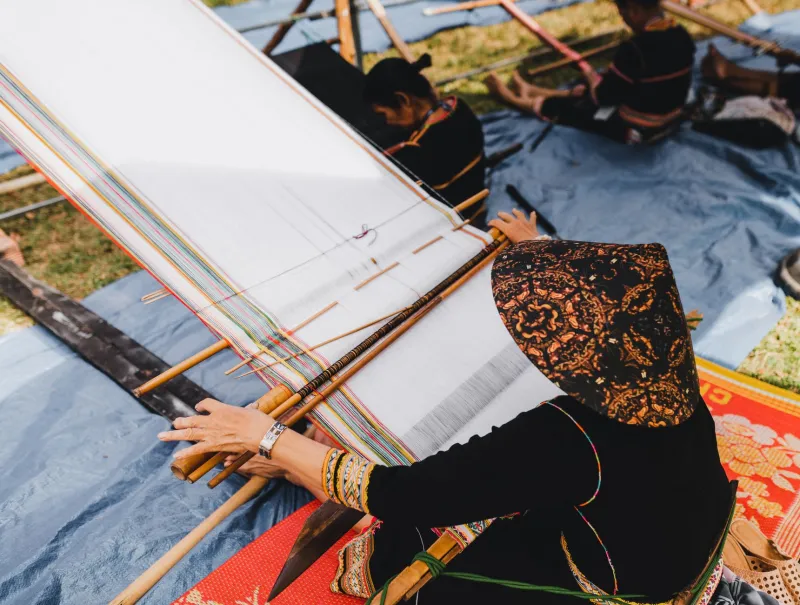
This isn't minimalism in the cold, sterile sense. Japanese craft traditions are rich with visual complexity — indigo dyeing, intricate weave structures, hand-stitched detailing that you can feel under your fingers. The aesthetic isn't empty. It's just earned. Every detail has a reason for being there.
Designers like Kapital, Visvim, and the late, legendary Issey Miyake built entire creative philosophies around this idea — that clothing could carry the memory of its making, that the process was as important as the product. You're not just buying a jacket. You're buying a specific understanding of what a jacket can be.
What American Brands Are Starting to Understand
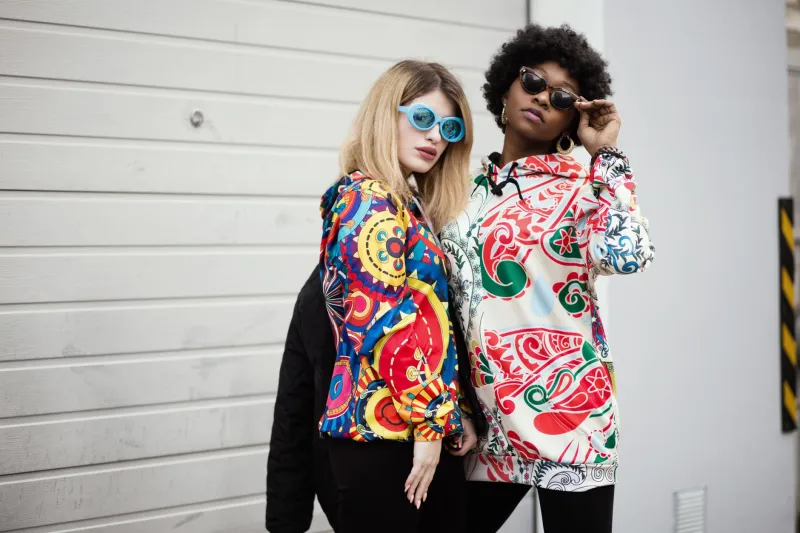
A new generation of American streetwear brands is paying attention. Not all of them are doing it well — sustainability has become a marketing term as much as a practice, and greenwashing is real. But the ones doing the genuine work are producing pieces that are genuinely different in feel, weight, and longevity.
The shift shows up in things like: natural dyes instead of synthetic ones. Heavyweight organic cotton that gets better with age rather than pilling out after six washes. Construction techniques borrowed from workwear traditions — reinforced seams, selvedge denim, hand-finished edges — that are built for actual use.
It also shows up in business models. Limited production runs. Direct-to-consumer selling that cuts out the pressure to overproduce for wholesale accounts. Repair programs. Take-back initiatives. These aren't just feel-good add-ons. They're structural commitments to making less and making it count.
The Aesthetics of Intention
There's a visual language emerging around this ethos that's genuinely compelling — and genuinely edgy in a way that fast fashion can't replicate. Wabi-sabi, the Japanese aesthetic principle that finds beauty in imperfection and transience, is showing up in intentionally irregular dyeing, raw hems, visible mending as design feature rather than flaw.
This is clothing that shows its process. You can see where the hands were. You can see the decision-making. In a world of seamless, algorithm-optimized design, that visibility is striking. It's the visual equivalent of a band recording live to tape — you can hear the room, the breath, the occasional mistake that made it onto the record because it was more true than the clean take.
For the Oni Cloth customer who's drawn to imagery with real cultural weight — the oni mask, the mythological, the symbolic — this intersection makes intuitive sense. You're already drawn to things that carry meaning beyond the surface. Extending that to how something is made is a natural next step.
Sustainability Isn't Soft
I want to push back on the idea that caring about how your clothes are made is somehow at odds with having an edge. That framing is lazy, and it serves the brands that benefit from you not asking questions.
Choosing a piece that was made intentionally — that cost more because someone was paid fairly, that used materials that didn't poison a river somewhere, that was designed to be worn for years rather than seasons — that's not a soft choice. It's a demanding one. It requires more thought, more patience, more willingness to push back against the dopamine hit of the new.
The most style-conscious people in any room are usually the ones who've figured this out. Their wardrobes are smaller and more deliberate. Every piece has a story. Nothing is accidental.
The Long Game
Japanese craft culture plays a long game. Brands like Kapital have been building the same vision for decades. Artisans who specialize in traditional dyeing or weaving techniques have spent lifetimes developing their skills. The timeline is different — and that's exactly the point.
American fashion is starting to learn that the long game is actually more interesting. That a piece you wear for ten years develops a relationship with your body and your life that a piece you wear for one season never can. That the mottainai principle isn't just environmentally responsible — it's aesthetically superior.
Wear the edge. But make it mean something. Make it last.