Dressed to Resist: How Band Tees and Graphic Hoodies Became the Loudest Thing in the Room
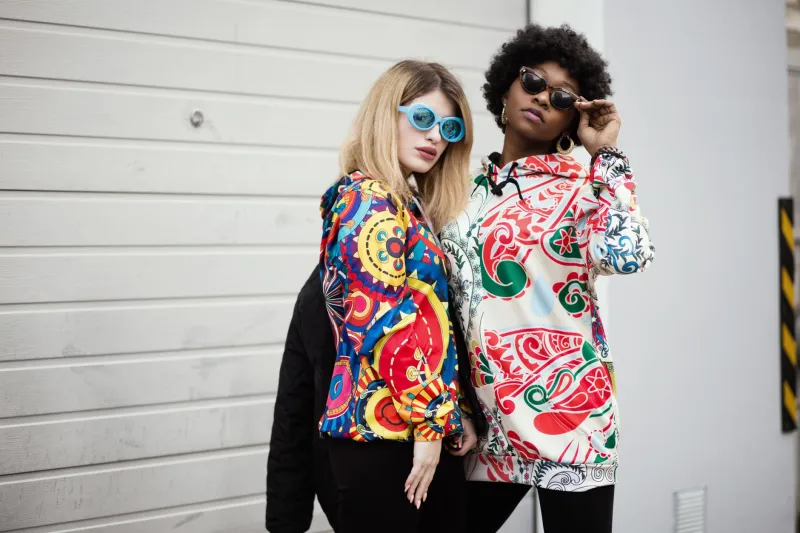
There's a kid in every American high school right now wearing a faded Bauhaus tee they thrifted for four dollars. They've probably never heard a single Bauhaus song. And honestly? That's not even the point.
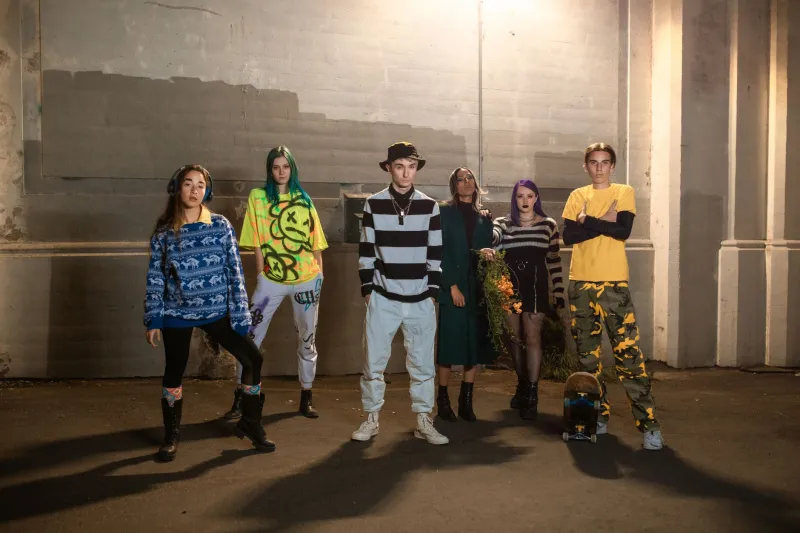
The graphic tee has always carried meaning beyond the artist or brand printed on it. But somewhere in the last decade, that meaning got louder, more deliberate, and a whole lot more complicated. For Gen Z and younger millennials, the clothes on their backs have become a kind of shorthand — a way to broadcast values, signal tribe membership, and push back against a culture that keeps trying to sell them a version of themselves they didn't ask for.
From Merch Table to Manifesto
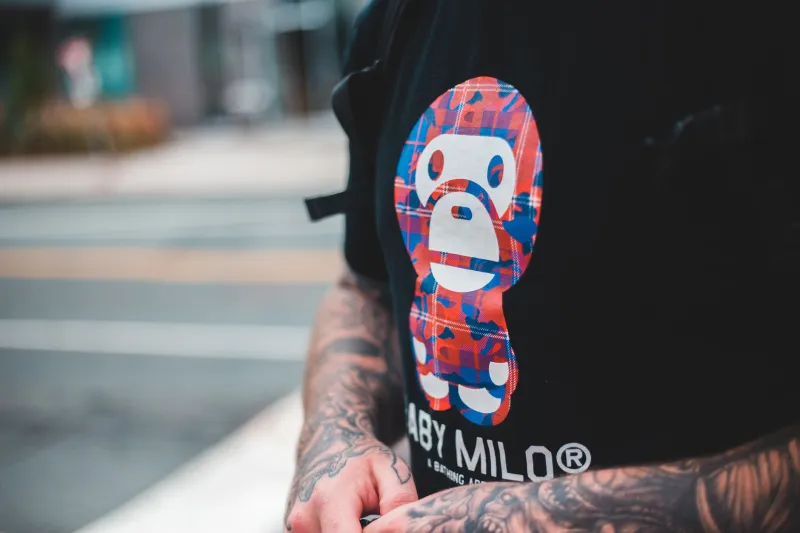
Band merchandise used to be pretty straightforward. You went to a show, you bought a shirt, you wore it to school on Monday. It was promotional, sure, but it was also personal — proof you were there, that you cared enough to show up.
Somewhere along the way, the rules changed. The shirt stopped needing the concert. It stopped needing the band, really. What it kept was the attitude — that particular energy of choosing something outside the mainstream and putting it on your body in public.
By the time fast fashion started churning out knockoff Metallica and Rolling Stones tees for the mall crowd, something interesting happened. Instead of killing the appeal, it sharpened it. The kids who cared about authenticity went deeper. Harder to find bands. More obscure references. Imagery that required a little homework to understand. The graphic tee became a filter — a way of sorting out who actually gets it.
The Psychology of the Provocative Print
There's real psychology behind what we choose to put on our chests. Researchers who study identity signaling have long noted that clothing choices — especially ones that carry some social risk — function as a form of what's sometimes called "costly signaling." You're not just saying I like this thing. You're saying I like this thing enough to deal with the stares, the questions, the people who don't get it.
For young people navigating a world that often feels pre-packaged and algorithmically sorted, that cost is kind of the whole point. Wearing a hoodie with imagery that's dark, niche, or politically charged is a way of opting out of the default. It says: I made a choice here. I didn't just grab whatever was trending.
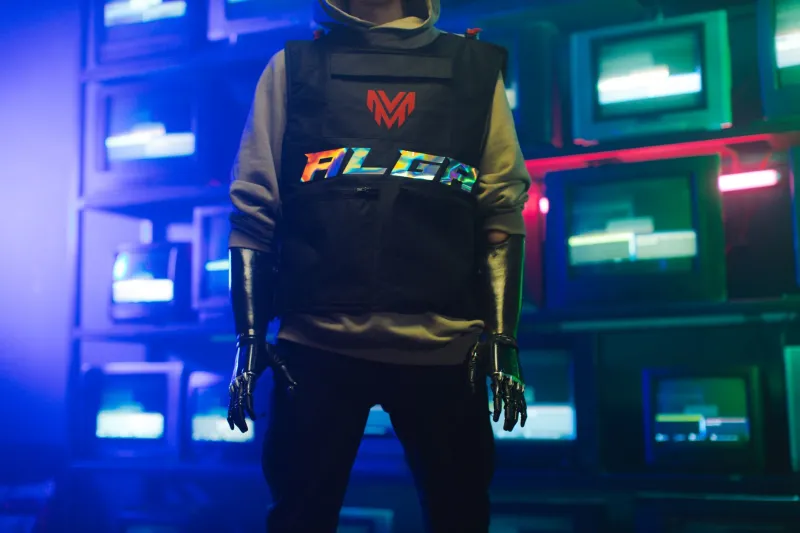
This is especially true for graphic hoodies, which have a particular cultural weight that a regular tee doesn't quite carry. The oversized silhouette, the hood pulled up, the way it can swallow you whole — there's something inherently anti-establishment about the shape itself. It's not trying to impress anyone. It's built for comfort and anonymity, which makes the graphic on the front hit even harder when it's saying something.
Micro-Communities and the Power of Niche
One of the most fascinating things about this shift is how it's enabled incredibly specific micro-communities to form around shared aesthetic references. A kid in Ohio wearing a shirt from an underground Japanese noise rock band isn't just a fan — they're part of an invisible network of people who share that same obscure corner of culture. When they run into someone else who recognizes it, the connection is immediate and real in a way that a shared interest in, say, a Netflix series just isn't.
Streetwear has picked up on this hard. Brands building in this space understand that the most powerful thing they can offer isn't just a cool design — it's a sense of belonging to something that not everyone can access. Limited drops, intentionally niche imagery, references that reward the curious — these aren't just marketing tactics. They're the architecture of community.
Japanese street culture understood this long before American brands caught up. The concept of kodawari — an obsessive dedication to craft and specificity — runs through the DNA of everything from Harajuku fashion to underground vinyl culture. It's the same impulse that makes someone track down a bootleg tee from a 1994 tour rather than buying the reissue. The specificity is the point.
Streetwear's Hunger Problem
Here's where things get complicated. The same brands capitalizing on this hunger for authenticity are also, by definition, scaling it. And scale has a way of flattening exactly the kind of edge that made something worth wearing in the first place.
The brands that are doing it right aren't trying to manufacture rebellion wholesale. They're building pieces with enough visual weight and cultural specificity that they earn their place in the ecosystem. Think graphic hoodies with imagery pulled from folklore, mythology, or underground art movements. Think tees that reference things most people won't Google. Think limited quantities that mean something.
At Oni Cloth, that tension between accessibility and edge is something we think about constantly. The oni — that iconic, terrifying figure from Japanese mythology — isn't a trend. It's a symbol with centuries of weight behind it. When you put that on a hoodie, you're not just making a design choice. You're borrowing from a tradition of imagery that was always about something more than decoration.
Wearing Your Politics Without Saying a Word
It's worth noting that not all of this is about aesthetics. Some of it is genuinely political in the most direct sense. The resurgence of punk and hardcore imagery, the embrace of anti-corporate messaging, the deliberate ugliness of certain design choices — these aren't accidental. They're responses to a specific cultural moment where a lot of young Americans feel like the systems they inherited are not working for them.
The graphic tee can't fix any of that. But it can create space for solidarity, for humor, for grief, for defiance. It can say I see what's happening without requiring a speech. In a media environment where everyone is constantly talking, there's something almost radical about a piece of clothing that just stands there and makes its point.
The Uniform That Isn't
What's interesting is that for all its uniformity — the oversized fit, the heavy cotton, the bold graphic — the rebellion uniform is paradoxically one of the most individualized forms of dress out there. Two people wearing graphic hoodies are almost never wearing the same statement. The combinations are endless, and the choices are deeply personal.
That's the thing about dissent as a fashion language. It's not a trend you can fully co-opt, because the whole point is the choice behind it. You can knock off the aesthetic, but you can't knock off the intention.
And the kids who are fluent in this language? They'll always find a new way to say what they need to say. The clothes will keep up.