Wired and Armored: How Techwear Became the Uniform of a Generation That Refuses to Choose Between Function and Fury
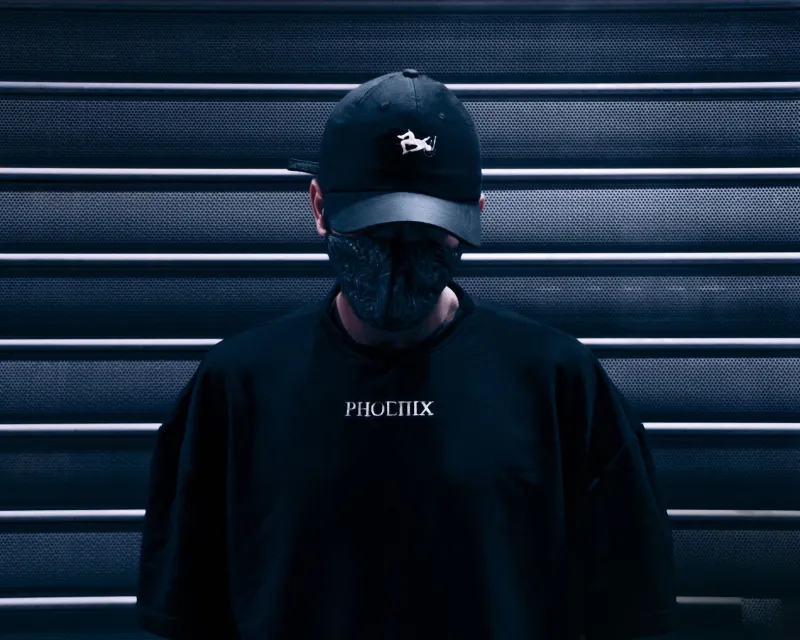
There's a kid at your local coffee shop right now wearing all black — but not the kind your dad wore to a funeral. The jacket has articulated seams. The pants have six pockets you can actually use. The harness across the chest isn't decorative; it's a load-bearing system borrowed from mountaineering gear. He looks like he's ready for a rainstorm, a rave, or the collapse of late-stage capitalism. Maybe all three.
This is techwear. And Gen Z didn't just adopt it — they made it their own language.
Where It Came From (Hint: Look East)
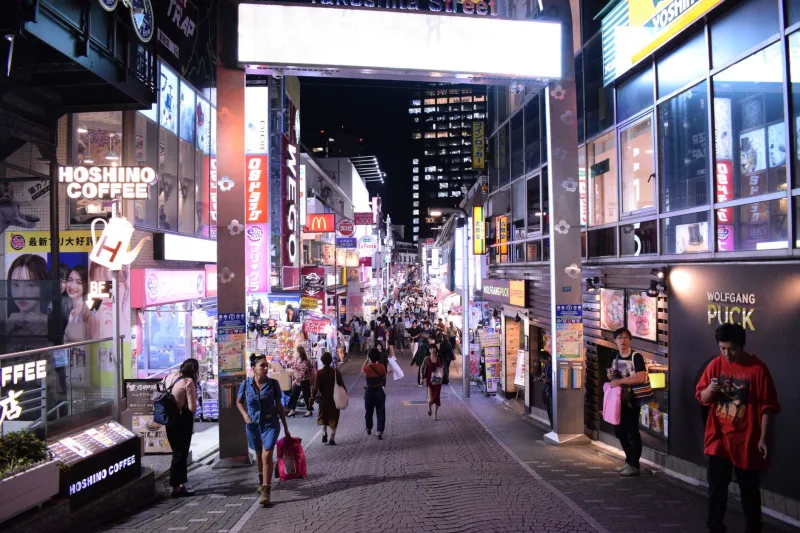
Techwear as a coherent aesthetic has roots tangled deep in Japanese design culture, specifically the forward-thinking studios and urban wear labels that emerged from Tokyo's Shibuya and Harajuku districts throughout the late '90s and 2000s. Designers like Yohji Yamamoto and Issey Miyake were already pushing Japanese fashion toward architectural, body-conscious silhouettes that defied Western conventions. But the real spark came from labels like Acronym — technically German-founded but philosophically indebted to Japanese functional minimalism — and Japanese brands like White Mountaineering and Nemen, which merged outdoor performance engineering with street-level attitude.
The result was a look that felt borrowed from a near-future Tokyo: modular, muted, almost militaristic. Zipper placements that made no sense until they suddenly made perfect sense. Fabrics that breathed, repelled water, and moved with the body like a second skin. It was clothing designed for a city that never stopped moving — and American youth, particularly Gen Z, recognized something in that urgency.
Why It Hits Different for This Generation
Let's be real: Gen Z grew up with climate anxiety, economic instability, and a news cycle that makes the word "dystopia" feel less like fiction and more like a calendar event. The techwear aesthetic — all tactical silhouettes and muted earth tones, with the occasional cyberpunk black-on-black layering — isn't escapism. It's preparation cosplay that actually functions.
There's something deeply appealing about clothes that say I'm ready. Ready for what? That's deliberately left open. And that ambiguity is part of the power.
Beyond the vibe, though, techwear satisfies a generation raised on performance culture. These are consumers who grew up watching YouTube gear reviews, reading Reddit threads about Gore-Tex laminates, and following creators who dissect the construction of a single jacket for thirty minutes straight. Quality matters. Craft matters. They don't want fast fashion; they want pieces that justify the research.
The Pieces That Define the Movement
If you want to understand techwear, you need to know its building blocks.
The Technical Shell Jacket is the cornerstone — typically constructed from ripstop nylon, softshell, or Gore-Tex, with articulated patterning that allows full range of motion. Brands like Acronym, Nemen, and Arc'teryx Veilance are the gold standard, though more accessible entry points exist through labels like Tilak and even Uniqlo's technical lines.
Cargo Pants, Reimagined are another staple — but not the baggy skater variety of the early 2000s. Techwear cargos feature tapered cuts, stretch panels, and pockets positioned for actual ergonomic use. Japanese brand Descente Allterrain does this particularly well, blending mountain-sport utility with clean urban aesthetics.
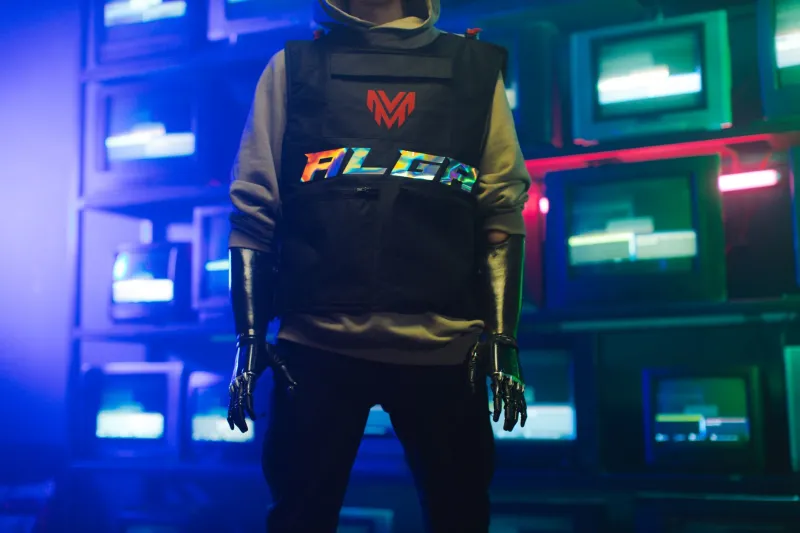
Harnesses and Modular Accessories complete the silhouette. Chest rigs, sling bags, and utility vests borrowed from tactical gear culture add dimension and practicality simultaneously. They're also a nod to the anime and gaming aesthetics Gen Z grew up consuming — there's no clean line between the techwear soldier and the RPG character build.
Footwear tends toward chunky, technical trail runners or sleek futuristic sneakers. Salomon's XT-6 became a crossover techwear icon almost by accident. Nike ACG and New Balance's trail lines fill out the rotation.
The Rebellion Hiding in Plain Sight
Here's what makes techwear more than just a fashion trend: it carries a quiet defiance. In a culture saturated with logo-heavy streetwear and influencer-driven hype drops, techwear is deliberately anti-spectacle. The colors are deliberately restrained. The branding is often invisible. The statement isn't look at what I'm wearing — it's look at how I think about what I wear.
That's a rebellious position, even if it doesn't look like one from the outside.
There's also a DIY ethos threading through the community. Forums like r/techwear have hundreds of thousands of members sharing fit checks, sourcing obscure Japanese labels, and debating the merits of different fabric treatments. This isn't passive consumption — it's active participation in a subculture with its own language, hierarchy, and values.
Where Oni Cloth Sees This Going
At Oni Cloth, we've watched this movement evolve from niche internet aesthetic to genuine cultural force — and we're not surprised. The fusion of Japanese design philosophy with American street energy has always produced something electric. Techwear is the latest proof.
What excites us most is how the aesthetic keeps expanding. Designers are starting to blend techwear construction with warmer color palettes, traditional Japanese textile patterns, and even elevated tailoring. The rigid "all black, all tactical" rule is softening into something more expressive — and that's where it gets really interesting.
Gen Z built this thing. Now they're evolving it. And honestly? We're here for every iteration.
The samurai didn't just wear armor because it looked cool. They wore it because it meant something — about readiness, identity, and the seriousness with which they took their place in the world. Techwear carries that same energy, just translated into waterproof nylon and articulated seams.
Wear the edge. Define the culture.