No Algorithm, No Problem: How Japan's Hidden Labels Are Winning the Streetwear Game
There's a certain kind of excitement that comes with copping something nobody else has heard of. Not the dopamine hit of a hyped drop that sold out in forty seconds — something slower, more earned. The kind of satisfaction that comes when a friend grabs your sleeve at a show and says, where did you get that? That feeling is becoming the new currency in American streetwear, and Japan's underground labels are the ones printing it.
While the mainstream hype machine keeps spinning — countdown timers, bot-proof queues, influencer unboxings that rack up a million views before the box is even open — a different ecosystem has been quietly building underneath it. Lesser-known Japanese designers, many of whom have zero English-language social presence and no interest in acquiring one, are finding their way into American wardrobes through a network that looks less like a marketing funnel and more like a conversation between people who actually care.
The Anti-Drop Drop
Hype culture runs on scarcity theater. Limited quantities, manufactured urgency, the illusion that owning a piece makes you part of something exclusive. But here's the thing — that illusion has a shelf life. The more brands engineer the feeling of rarity, the less rare anything actually feels.
Japanese underground labels operate on a completely different logic. Many of them produce small runs not as a marketing strategy, but because that's simply how their production model works. A craftsman making garments in a Osaka atelier isn't capping quantities to drive resale value — they're capping quantities because there are only so many hours in a day and only so much fabric worth cutting. The scarcity is real, and American consumers who've been burned by artificial hype are starting to recognize the difference.
Brands like these rarely show up in your Instagram feed. You find them through a Reddit rabbit hole, a Discord server dedicated to Japanese fashion, a comment thread on a niche subreddit where someone casually mentions a label you've never heard of and suddenly you're three hours deep into a website written entirely in Japanese trying to figure out international shipping options. That friction? That's part of the appeal.
Community as the New Algorithm
The discovery pipeline for underground Japanese fashion in the US doesn't look like any conventional marketing playbook. It's a patchwork of tight-knit forums, import-savvy collectors, and the occasional translated blog post from someone who spent six months in Tokyo and came back with opinions and a carry-on full of deadstock.
This is fundamentally different from how most American consumers find new brands. We're used to the feed doing the work — an ad here, a sponsored post there, a celebrity spotted wearing something and suddenly it's everywhere. Underground Japanese labels bypass all of that. They don't have influencer budgets. They don't have PR agencies. What they have is a product that speaks loudly enough that people feel compelled to talk about it.
And the people doing the talking aren't passive consumers. They're enthusiasts who've done the research, made the investment, and feel a genuine sense of ownership over the discovery. When you find a brand through community, you become part of its story. That's a different relationship than clicking an ad.
Why the Craft Is the Statement
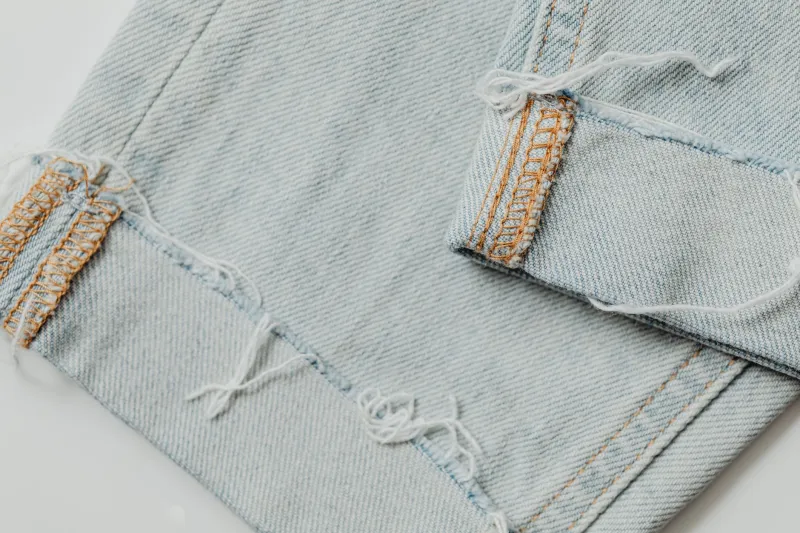
There's a throughline in the Japanese labels gaining traction in American underground circles, and it's not aesthetic — it's intention. These are designers who are obsessed with how a garment is made. Seam placement, fabric weight, the behavior of a dye over time, the way a collar sits after fifty washes. Details that don't photograph particularly well but matter enormously when you're actually wearing the piece.
American streetwear has, in many ways, become a visual medium. Clothes are designed to read on camera, to pop in a flat lay, to look right in a grid. That's not necessarily a criticism — it's just a reflection of the environment brands are operating in. But it does create a gap, and Japanese underground designers are filling it. Their clothes are made to be worn, not shot. They improve with age. They reward the person actually inside them rather than the algorithm scanning the image.
For a generation of American consumers who grew up watching fast fashion collapse under its own contradictions, that kind of intentionality hits different. It's not just about aesthetics — it's about values made tangible through construction.
What This Means for the Future of Streetwear
The rise of underground Japanese labels in American fashion circles is a symptom of something bigger: a growing fatigue with streetwear as content. For years, the culture and the content were inseparable — you couldn't talk about what people were wearing without talking about the ecosystem of drops, collabs, and clout that surrounded it. But that conflation is starting to fracture.
More consumers are drawing a line between clothes they wear and clothes they perform. The former is personal, durable, connected to identity in a way that doesn't require an audience. The latter is transactional — a bid for relevance that expires as quickly as the trend cycle moves on. Underground Japanese labels, almost by definition, exist entirely in the first category.
This doesn't mean hype culture is dying. It's too profitable and too entertaining for that. But it does mean the streetwear landscape is bifurcating. On one side, the high-visibility, algorithm-optimized, collab-driven world of mainstream drops. On the other, something quieter and more durable — a fashion culture built on knowledge, community, and the deep satisfaction of wearing something that was made with genuine care by someone who never once thought about your follower count.
Finding the Signal in the Noise
If you're curious about diving into Japan's underground fashion scene from the US, the entry points aren't obvious, but they exist. Communities on Reddit — particularly spaces dedicated to Japanese streetwear and workwear — are genuinely knowledgeable and surprisingly generous with recommendations. Discord servers focused on Japanese fashion imports have become hubs for real-time discussion about new labels, restocks, and international shipping logistics. Proxy services that facilitate purchases from Japanese domestic retailers have made the practical barriers lower than they've ever been.
The investment of time is real. So is the investment of money — these aren't budget pieces. But that's also the point. When you're buying from a designer who's working outside the algorithm, outside the hype machine, outside every incentive structure that pushes toward volume over quality, you're buying something that cost more to make because it was made better. That's a transaction that actually means something.
Wear the edge. Define the culture. Sometimes that means finding the thing nobody's talking about yet — and letting the clothes do the rest.