The Details Nobody Sees Are the Ones That Matter Most
There's a certain kind of person who can walk into a room wearing what looks like a plain black hoodie and somehow command more attention than the guy in the limited-edition drop with the six-inch logo across his chest. You've seen this person. Maybe you've wondered what it is about them. It's not confidence alone — though that's part of it. It's the fact that what they're wearing is doing something that most people in the room can't read. And that unreadability? That's the whole game right now.
Street style in 2024 is going through a quiet but significant shift. After years of maximalism — the bigger the graphic, the louder the colorway, the more visible the brand name, the better — a growing segment of the most discerning shoppers are moving in the opposite direction. Not toward minimalism exactly, but toward interiority. The flex isn't on the outside anymore. It's underneath the collar. It's in the seam tape. It's in the weight of the fabric against your wrist when you push up your sleeve.
The Logo Fatigue Is Real
Let's be honest about where we are. Streetwear's most visible era — the Supreme-everything, the monogram-on-monogram, the chest-logo arms race — left a lot of people exhausted. When every brand is screaming for attention through the same visual language, the whole thing starts to feel less like identity and more like advertising. You stop being a person wearing something meaningful and start being a walking billboard.
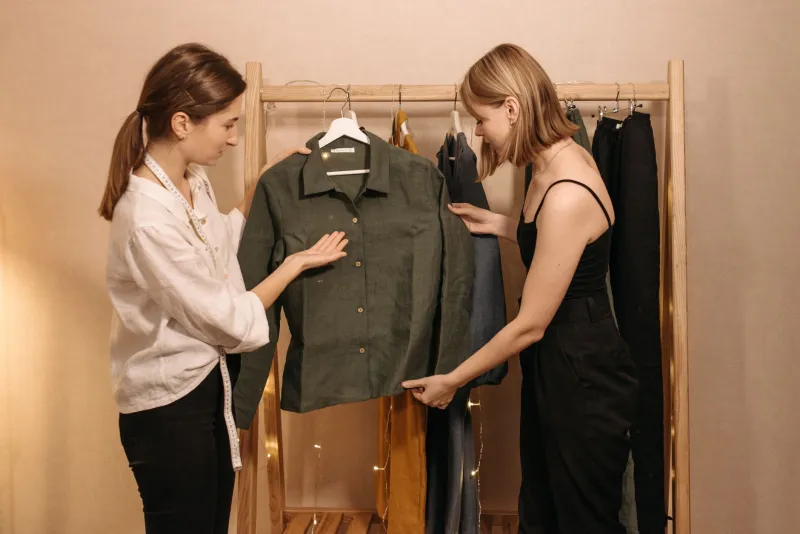
The consumers who are paying the most attention noticed this first. And their response wasn't to stop caring about clothes — it was to care differently. They started asking questions that had nothing to do with resale value or brand recognition. Questions like: How is this stitched? What does this fabric actually feel like after thirty washes? Where are the seam allowances, and are they finished properly? Does this tag sit flat or does it dig into your neck?
These aren't questions you ask about a hype piece. They're questions you ask about something you actually want to live in.
What "Invisible Details" Actually Means
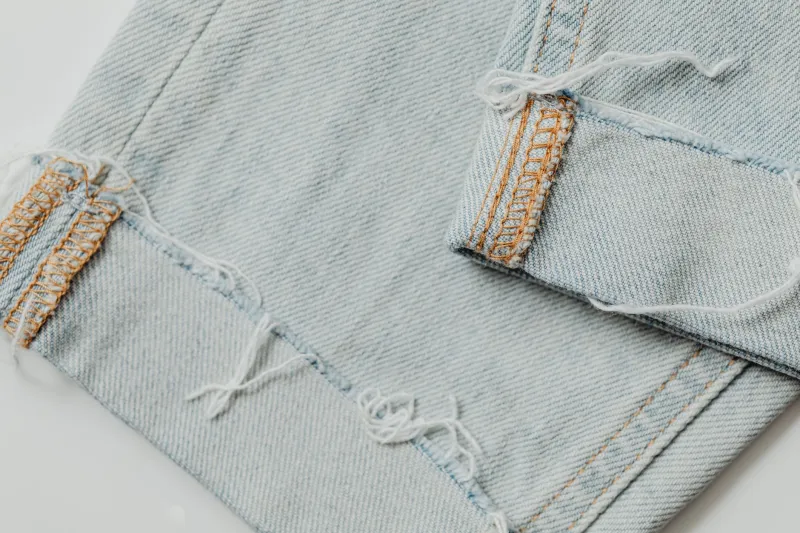
When people in the know talk about hidden craftsmanship, they're pointing at a specific set of things that don't photograph well but matter enormously in real life. Internal seam construction is a big one — the difference between a flat-felled seam and a serged edge that's going to unravel after six months of heavy wear. Fabric weight and hand-feel is another. A 400 GSM French terry hoodie doesn't just feel better; it drapes better, it holds its shape differently, it communicates something through texture alone that no graphic can replicate.
Tag placement sounds trivial until you've worn a garment where the tag was clearly an afterthought — some scratchy rectangle jammed into the back of your collar that you have to cut out on day one. Brands that think about tag placement are brands that thought about the entire wearing experience, not just the moment of purchase. Same goes for things like bartack stitching at stress points, the weight of a zipper pull, or whether the inside of a pocket is lined with something that won't pill after a month.
None of this shows up in a flat lay. None of it goes viral. But every single bit of it is felt by the person wearing it, every single day.
The Psychology Behind the Shift
There's something genuinely interesting happening at the psychological level here. When the details that make your clothes special are visible only to you — or to someone close enough and knowledgeable enough to recognize them — the relationship you have with those clothes changes. It stops being about external validation and starts being about something more personal. You know what you're wearing. You chose it for reasons that have nothing to do with what the algorithm surfaced or what sold out in thirty seconds.
This is, in a weird way, a form of confidence that the hype cycle can't manufacture. The hype piece gets its power from scarcity and consensus — everybody agrees it's valuable, so it is. The well-constructed garment gets its power from your own knowledge and taste. One of those is borrowed. The other one's yours.
There's also a class dimension worth naming, though it's complicated. For a long time, conspicuous consumption in streetwear was democratizing — a logo was a logo, and access to the right drop meant access to a certain kind of status regardless of background. But as that market got flooded with dupes and the barriers to entry dropped, the people with the deepest taste started moving off that playing field entirely. Knowing the difference between good and great construction became the new currency. And that kind of knowledge isn't something you can buy in a single purchase — it accumulates over time.
Brands That Are Winning With Subtlety
The labels doing this best right now tend to share a few characteristics. They're often smaller, frequently independent, and almost always obsessive about production in a way that doesn't make for exciting marketing copy but makes for extraordinary product. Japanese workwear-influenced brands have been doing this for decades — the whole philosophy of monozukuri (the art of making things) is built around the idea that the care put into an object matters as much as its surface appearance. That ethos has been quietly influencing American streetwear for years, and right now it's finding a more receptive audience than ever.
You're also seeing it in a new wave of US-based independents who are treating production as a design decision in itself. Brands that publish their GSM specs. Brands that show you the inside of their seams in product photography. Brands that write about why they chose a particular fabric supplier or why they switched from one construction method to another. This kind of transparency isn't just marketing — it's an invitation to actually understand what you're buying.
Wearing It Like You Know
Here's the thing about the invisible-detail approach to dressing: it doesn't require you to explain yourself. That's the whole point. You're not wearing a sign that says I know what I'm doing. You're just... doing it. The people who get it will get it. The people who don't will still notice something — a certain ease, a certain rightness to the way the clothes sit on your body — without being able to name it.
At Oni Cloth, this is the energy we're drawn to. Not the shout, but the signal. Not the logo, but the weight of the fabric. Not the drop announcement, but the decision made quietly, with full knowledge of what you're choosing and why.
The revolution in streetwear right now isn't happening on Instagram. It's happening inside the collar, along the seam line, in the particular density of a fabric you'll still want to wear five years from now. Pay attention to that, and you'll never need to explain your taste to anyone.