Made to Disappear: The Designers Building Clothes That Don't Last — On Purpose
The pitch for quality clothing has always followed the same logic: buy better, buy less, keep it forever. It's a clean moral equation. A well-made garment justifies its price tag through longevity. The expensive thing is actually the cheap thing, spread across time.
It's a compelling argument. It's also, for a growing number of designers and consumers, not the whole story.
Because here's the uncomfortable question nobody in the 'buy quality' conversation wants to sit with: what happens to all the 'forever pieces' when the person wearing them is gone? When the aesthetic shifts so completely that the well-made thing becomes unwearable not because it failed but because the world moved? When the wardrobe that was supposed to last a lifetime ends up in a landfill anyway, just slower?
A loose, scattered, genuinely weird underground of designers is asking that question out loud — and their answer is to make clothes that are designed, from the beginning, to end.
The Logic of Intentional Impermanence
Planned obsolescence in consumer goods is usually a corporate sin — the calculated decision to build in failure so customers return to buy again. But the designers working in intentionally impermanent fashion are operating from almost the opposite impulse.
The idea isn't to trick anyone. It's to be honest.
Every garment ends. The question is whether that ending is accounted for in the design or just ignored until it becomes someone else's problem. A fast fashion tee that falls apart in six months and gets thrown away is impermanent, but accidentally so — it was sold with the implication of durability it never had. A garment designed to biodegrade, fray gracefully, or decompose in compostable conditions is impermanent on purpose. The ending is part of the design brief.
That's a fundamentally different relationship with time and material.
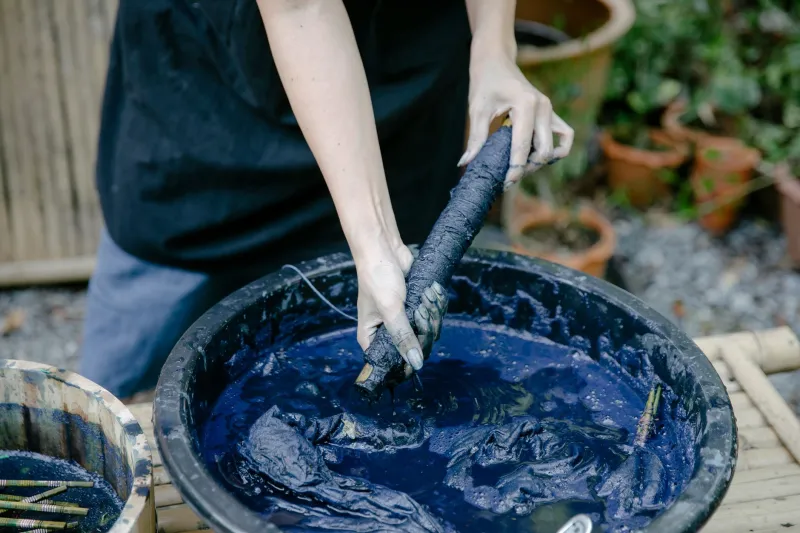
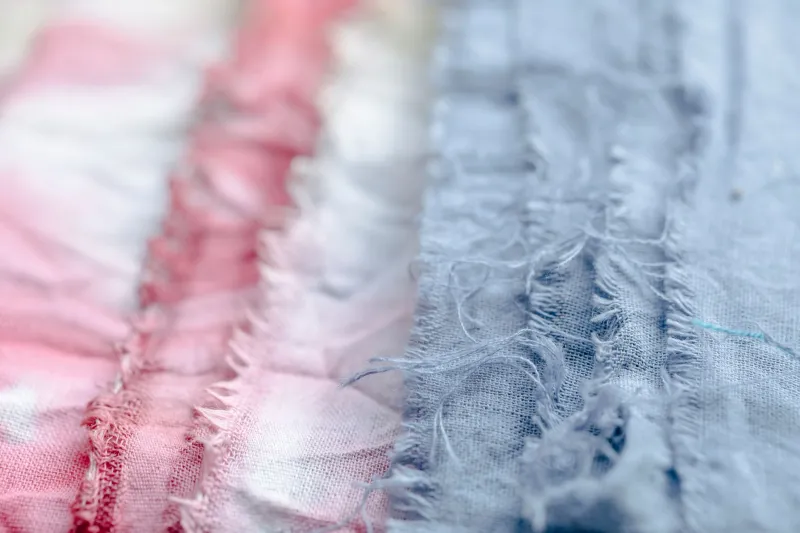
Designer collective Undone Works, operating out of Los Angeles, has been building pieces using untreated natural fibers with intentionally loose construction — seams that will eventually give, dyes derived from plants that fade predictably toward neutrals, hems left raw to fray in patterns shaped by how the garment is worn. Nothing is reinforced beyond what's necessary for the garment to function during its intended lifespan.
"We think about a two-to-three-year life for most pieces," says one of the collective's founders, who asked to be identified only as Reese. "Not because we cut corners, but because we designed for that window. After that, it's supposed to change. It's supposed to show what it's been through and eventually stop being a garment."
Fraying as Feature
The aesthetic of intentional impermanence is, it turns out, genuinely striking. Garments that are designed to age visibly tend to look like nothing else in your closet — they have a specificity that machine-perfect fast fashion can never replicate, because the specific way a particular piece frays or fades is determined by the specific life of the person wearing it.
This is where the concept starts to rhyme with something much older.
Japanese textile traditions have long embraced the idea of wabi-sabi — the beauty of imperfection, incompleteness, and impermanence. Boro, the practice of patching and repairing textiles until they become layered records of use and time, is perhaps the most direct ancestor of what these contemporary designers are doing. The difference is context: boro emerged from necessity, from poverty, from a culture that could not afford to waste. The contemporary version emerges from abundance — from a deliberate choice to introduce limitation and finitude into a system that has none.
That's a meaningful distinction. And it's one the designers working in this space are generally clear-eyed about.
"We're not pretending this is the same as historical necessity," says textile artist and designer Mara Solís, who creates limited-run garments using hand-spun plant-fiber yarns and natural dyes in her New Mexico studio. "This is a choice made from a position of privilege. The honesty of it is admitting that — and then asking whether the choice still has value even when it's chosen rather than forced."
The Anti-Consumerism Paradox
Here's where things get genuinely complicated.
If a garment is designed to last two years and you replace it with another garment designed to last two years, are you consuming more or less than the person who buys one 'forever piece'? The math depends entirely on execution — whether the intentionally impermanent garment is actually made from materials that return to the earth cleanly, whether the production process has a lower overall footprint, whether the consumer actually replaces it or just adds it to a pile.
The honest answer is: it depends. And anyone selling you a simple moral narrative around this — in either direction — is probably selling you something else too.
What the intentional impermanence movement does get right is the conversation it forces. Fast fashion's fundamental lie isn't just about quality or labor or environmental impact — it's about time. It sells you the fantasy that a $12 tee is a real object with a real future, when it's actually a placeholder that was designed to become waste. Intentionally impermanent fashion at least tells you the truth about what it is and how long it's going to last.
There's a specific kind of integrity in that, even if it doesn't solve everything.
Who's Actually Buying This
The market for intentionally impermanent clothing is, predictably, small and specific. It skews toward consumers who are already deeply engaged with sustainable fashion, who have the income to pay for well-considered small-batch production, and who find the conceptual framework compelling enough to seek it out.
That's a narrow slice. But it's an influential one.
The ideas moving through this underground tend to surface, in diluted form, in the broader streetwear conversation within a few years. The visible aging and raw-edge aesthetic is already showing up in mainstream collections. The language of 'honest materials' and 'designed lifespan' is starting to appear in brand copy from labels that would have never touched this conversation three years ago.
Whether the underlying philosophy survives the mainstreaming is another question entirely.
The Garment That Knows It's Going to End
There's something almost confrontational about a piece of clothing that comes with an expiration date built in. It refuses the comforting fiction that things can last forever if you just care for them properly. It insists on the reality of endings.
In a fashion culture that's spent decades selling permanence — investment pieces, heritage quality, built to last — that insistence reads as genuinely radical.
Not because disappearing is inherently noble. But because making something that's honest about its own limits, that accounts for its own ending from the moment of its creation, requires a different relationship with objects than most of us have been taught to have.
The thread unravels. That was always the plan. The question is whether you were paying attention while it lasted.