Touch Grass, Wear It Too: Why Linen, Hemp, and Organic Cotton Are the Realest Flex Right Now
There's something happening in the margins of American streetwear that doesn't have a hashtag yet — and that's kind of the point.
While the mainstream keeps churning out moisture-wicking, four-way-stretch, petroleum-based everything, a quieter crowd is doing something radical: they're choosing materials that wrinkle, breathe, fade, and age. They're reaching for linen that softens over time. Hemp that gets better with every wash. Organic cotton that actually feels like something instead of like a grocery bag you're supposed to wear.
This isn't just an eco-conscious pivot. It's a statement. And in 2024, that statement hits louder than any logo drop.
The Synthetic Problem Nobody Wants to Talk About
Let's be real for a second. The fast fashion industry didn't just give us bad clothes — it gave us clothes designed to feel like nothing. Polyester blends that don't breathe. Fabrics that pill after three washes. Fits that look fine on a product page and fall apart in real life. The whole system was built to keep you buying, not to keep you dressed.
And Gen Z — the generation that grew up watching the environmental consequences of all that disposable culture play out in real time — is starting to clock it. According to multiple consumer behavior studies, younger shoppers in the US are increasingly prioritizing material quality and longevity over novelty. Not all of them, sure. But enough to shift the conversation.
The rejection of synthetic fibers isn't just about carbon footprints, either. It's tactile. It's personal. It's about wanting to wear something that actually feels like a choice.
What Natural Fibers Actually Do That Synthetics Can't
Here's where it gets interesting from a pure style perspective.
Linen wrinkles. That's not a bug — that's the feature. A linen overshirt that's been lived in looks intentional in a way that a pressed polyester button-down never could. It carries the evidence of being worn, which is exactly what makes it feel real. Japanese craft culture figured this out decades ago: the patina of use is part of the design.
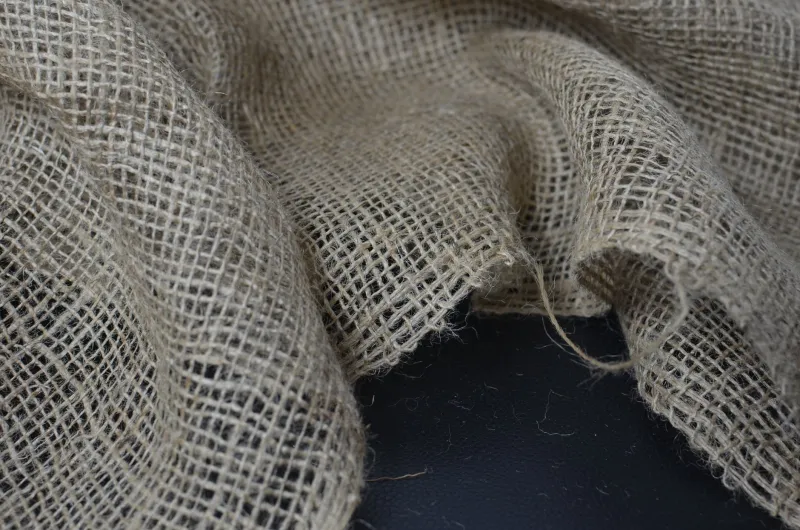
Hemp is arguably the most underrated fabric in the game right now. It's stronger than cotton, gets softer with age, and has a natural texture that reads as deliberate rather than cheap. It also has one of the lowest environmental footprints of any textile crop — no pesticides, minimal water, regenerative growing potential. Wearing it isn't just an aesthetic move. It's a values move.
Organic cotton sits somewhere between familiar and elevated. It doesn't feel radically different from conventional cotton to the touch, but it carries a different kind of weight when you know what went into it — no synthetic pesticides, no genetically modified seeds, a cleaner supply chain. For a generation that reads labels and checks sourcing, that backstory matters.
The Anti-Algorithm Angle
Here's the thing about natural fiber clothing that rarely gets said directly: it doesn't photograph the same way synthetic clothes do.
Fast fashion is optimized for the scroll. Clean lines, bright colors, fabrics that catch light in a way that looks great in a grid post but feels like nothing in person. Natural fibers are the opposite. They're tactile-first. The appeal is in how they feel against your skin, how they move when you walk, how they develop character over months of wear. That experience doesn't compress into a Reel.
And for a growing segment of style-conscious consumers, that's the entire point. Choosing materials that don't perform well for the algorithm is itself a kind of refusal. It says: I'm dressing for my actual life, not for content.
That energy — dressing for yourself, for longevity, for something that means more than a trending audio clip — is deeply aligned with the ethos that drives the best of streetwear culture. The oni spirit isn't about chasing what's popular. It's about moving with intention, wearing what's true, and letting the fit speak for itself.
How It's Showing Up on American Streets
You don't have to look hard to find it. Vintage linen workwear being styled with chunky sneakers in Brooklyn. Hemp-blend wide-leg trousers paired with graphic tees in LA. Organic cotton hoodies from small-batch American brands worn alongside Japanese selvedge denim in Chicago. The combinations are eclectic, but the common thread — no pun intended — is materiality.
People are thinking about what their clothes are made of in a way they weren't five years ago. And when they find something that feels right, they hold onto it. They repair it. They style it differently across seasons. That relationship with clothing is fundamentally different from the buy-wear-discard loop that fast fashion depends on.
Small American brands are responding. More independent labels are publishing fabric sourcing information upfront. More designers are building collections around a core of natural materials rather than treating them as a premium add-on. The market is moving, even if it's moving slowly.
The Quiet Power of Wearing Something That Lasts
There's a concept in Japanese aesthetics called mottainai — a deep cultural aversion to waste, a respect for the full life cycle of an object. It's the philosophy that says a piece of clothing isn't disposable; it's something to be cared for, repaired, and eventually passed on. American streetwear doesn't have a direct equivalent, but the current shift toward natural fibers rhymes with it.
Choosing linen over polyester, hemp over nylon, organic cotton over whatever synthetic blend is cheapest to produce — these choices are small, but they accumulate into something. A wardrobe that actually means something. A closet that tells a story instead of just filling space.
That's the rebellion here. Not loud, not viral, not algorithm-friendly. Just real.
And in a moment when everything is optimized to be forgotten, real is the rarest thing you can wear.