Stitched to Last: What Your Seams Say About Your Style IQ
Flip your favorite hoodie inside out right now. Go ahead. What do you see?
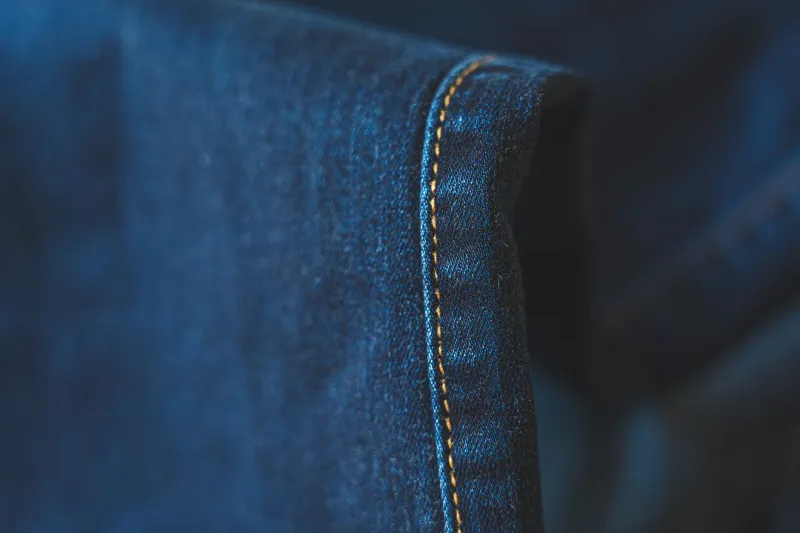
If it's a single row of overlocked stitching running along a raw, slightly fraying edge, you already know what you're working with. If it's a clean flat-felled seam — fabric folded twice, stitched down on both sides, sitting flush against the shell — you're holding something built with intention. That difference, invisible when the piece is on your body, is everything.
Construction quality is the part of fashion that doesn't photograph well, doesn't trend on TikTok, and doesn't get a dedicated segment at runway shows. It's also the part that separates clothes you'll wear for three seasons from clothes you'll wear for a decade. If you care about what you put on your body — and if you're reading this, you probably do — understanding the seam game is the next level.
Why Most People Never Think About This
American retail culture has spent decades training consumers to think about fashion in two dimensions: color and silhouette. What's the vibe? What's the colorway? Does it match the sneakers?
Those things matter. Nobody's saying they don't. But the obsession with surface aesthetics has created a blind spot that fast fashion brands have been exploiting for years. When a $25 graphic tee looks identical to a $180 one on a product page, the only way to tell the difference is to hold them both and know what you're feeling for.
Mass production optimizes for speed and margin. That means fewer stitches per inch, lighter interfacing, seam allowances cut so thin they'd fray if you looked at them wrong, and fabric weights chosen for cost rather than drape or durability. The result is clothes that look fine on day one and start quietly falling apart by month three.
Intentional construction does the opposite. It slows down. It adds material where stress accumulates. It thinks about how a piece will move when a real human being is actually living in it.
The Places That Take the Most Abuse
Every garment has stress points — spots where fabric gets pulled, twisted, and stretched repeatedly over time. The shoulder seam on a heavy tee. The crotch seam on a pair of pants. The cuffs on a hoodie. The area around a kangaroo pocket where the pouch meets the body panel.
On cheaply made pieces, these are also the spots that fail first. A shoulder seam held by a single overlock stitch doesn't have the reinforcement to handle the daily physics of carrying a bag, reaching overhead, or just moving through the world like a person who has things to do.
High-construction garments address this with layered solutions. Double-needle stitching at stress points adds a second line of defense. Bar tacking — those dense, tight clusters of thread you'll see at the corners of pockets or the base of belt loops — distributes tension across a wider area so no single thread has to carry the whole load. Reinforced bartacks on a well-made pair of work pants or cargo trousers aren't decorative. They're structural.
When a brand bothers with that level of detail, they're telling you something about how they think about the clothes they make.
Fabric Weight and Where It Goes
Construction isn't just about thread. It's about understanding that different parts of a garment need different things from the material itself.
A well-designed jacket might use a heavier canvas at the front panels for structure, a lighter lining at the back for breathability, and a reinforced woven at the collar where it'll get the most contact with skin and the elements. That kind of weight distribution is intentional design — it's engineering disguised as fashion.
Conversely, a mass-produced version of the same silhouette uses one fabric throughout, maybe with a single layer of cheap poly lining, and calls it a day. It looks the same on a flat lay. It feels completely different when you're wearing it in November and the collar is already starting to buckle.
Japanese workwear labels figured this out a long time ago. Brands rooted in that tradition — the ones that came up through actual craft culture rather than fast trend cycles — treat fabric weight distribution as a fundamental design decision, not an afterthought. That philosophy has been bleeding into American streetwear in a real way over the last several years, and it's raising the bar for what informed buyers expect.
Seam Placement as Intentional Design
Where a seam sits on a garment changes how the piece moves and how it looks on a body. This is one of the most underappreciated aspects of construction, and it's where you can really tell if a designer was thinking about the wearer or just filling a production template.
A shoulder seam that sits slightly forward — dropped toward the chest — creates a different silhouette than one sitting at the natural shoulder line. Raglan sleeves eliminate the shoulder seam entirely, which changes how the sleeve moves and how much range of motion the wearer has. Side seams placed slightly toward the back can make a torso look longer. Seams on structured pants, positioned and pressed with care, create a line that holds even after repeated washing.
This stuff is invisible to most people. That's kind of the point. Great construction doesn't announce itself — it just makes the piece feel right in a way you can't immediately explain.
How to Actually Evaluate a Piece Before You Buy
You don't need a fashion degree to start reading construction quality. You just need to know where to look.
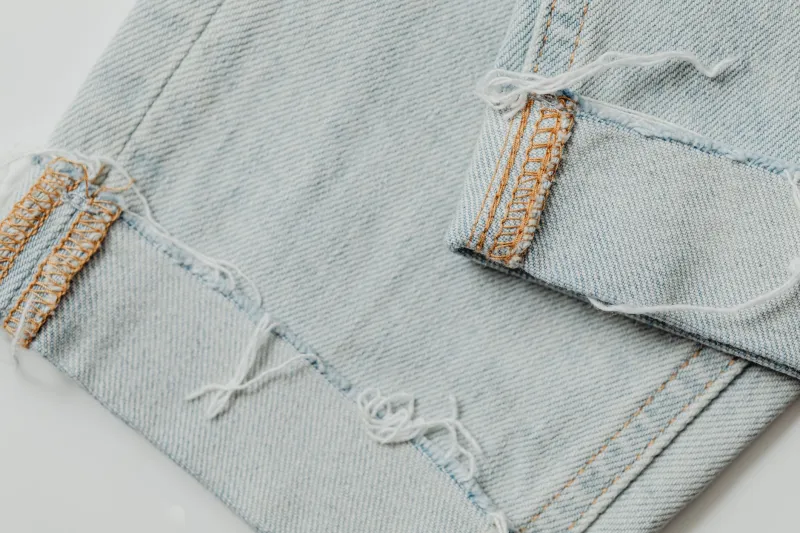
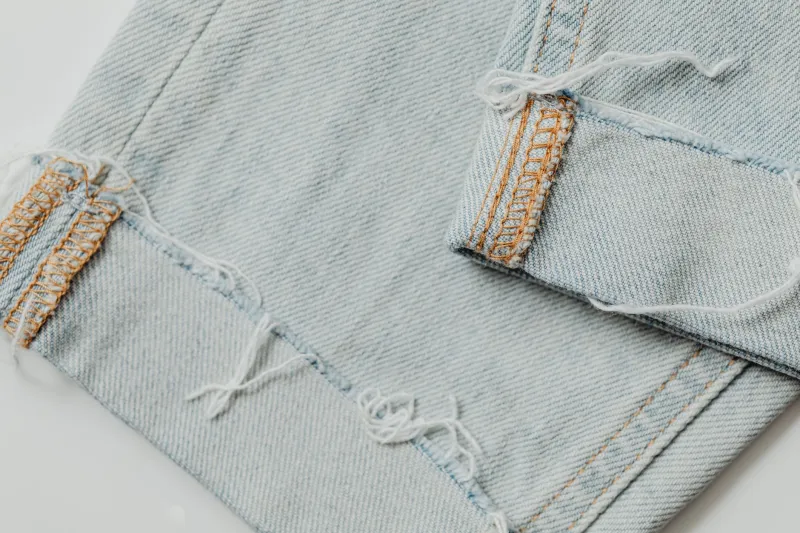
Turn the garment inside out. Check the seam allowance — is there enough fabric beyond the stitch line that it won't fray out immediately? Look at the stitching itself: is it even, consistent, and tight? Tug gently at the seams. A well-constructed piece won't pucker or shift. Check the hems — a blind hem (the kind you can barely see from the outside) takes more time and skill than a simple folded-and-topstitched finish.
Feel the fabric against itself at the seam. Flat-felled seams sit flush and smooth. French seams enclose the raw edge entirely. These are techniques that take more time and more material. They cost more to produce. And they last.
If a brand is cutting corners on seams, they're cutting corners everywhere.
The Real Flex
There's a version of style that's about volume — buying more, cycling through drops faster, always having the newest thing. And then there's the version that's about depth. About knowing what you're wearing and why it's worth wearing.
Construction quality is the language of that second version. It's the thing that makes a piece feel like it belongs to you after years of wear rather than feeling like it gave up on you after months. It's what separates a wardrobe built on intention from a closet full of stuff.
The seam game isn't glamorous. It doesn't get likes. But it's the foundation everything else sits on — and once you start seeing it, you can't unsee it.