Oni Cloth Wear the Edge. Define the Culture.

Oni Cloth

Wear the Edge. Define the Culture.

Latest Articles

Built to Last, Made to Matter: Why Japanese Craft Ethics Are Changing the Way Americans Think About Edge
Opinion

Built to Last, Made to Matter: Why Japanese Craft Ethics Are Changing the Way Americans Think About Edge

Cool used to mean disposable. New, fast, next. But a growing wave of designers and consumers is pushing back — drawing on Japanese principles of craft and conscious making to argue that the most rebellious thing you can wear is something built to outlast the trend cycle. Here's why sustainable edge isn't a contradiction.

Dressed to Resist: How Band Tees and Graphic Hoodies Became the Loudest Thing in the Room
Culture & Style

Dressed to Resist: How Band Tees and Graphic Hoodies Became the Loudest Thing in the Room

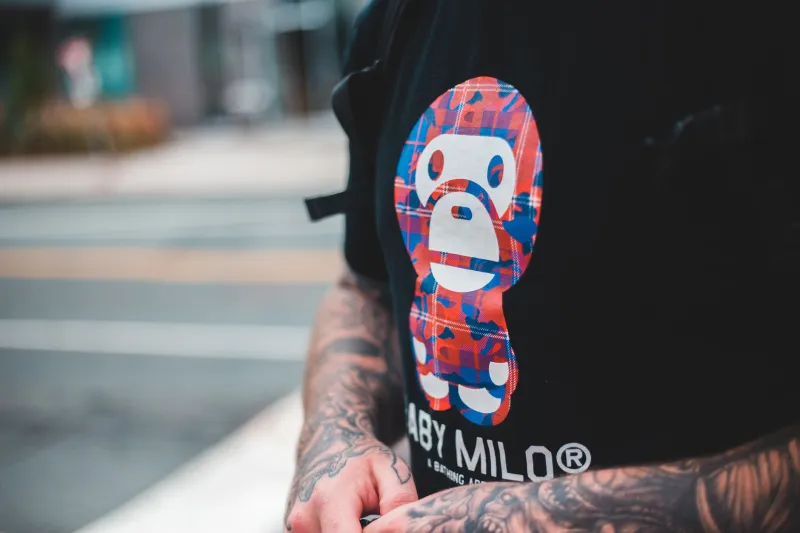
What started as merch table impulse buys has turned into one of the most loaded forms of self-expression in American youth culture. Band tees and oversized graphic hoodies aren't just clothing anymore — they're a whole vocabulary. And for Gen Z and younger millennials, that vocabulary is saying something the mainstream would rather you didn't.

From Screen to Street: 10 Ways Anime Aesthetics Are Reshaping What Americans Actually Wear
Culture & Style

From Screen to Street: 10 Ways Anime Aesthetics Are Reshaping What Americans Actually Wear

Anime-inspired fashion has officially left the convention hall and landed in the everyday wardrobe — but there's a real difference between wearing the culture and wearing a costume. Here's how to pull it off with credibility, plus a breakdown of the specific elements driving the crossover right now.

Shadow Work: How Gen Z Turned Dark Aesthetics Into the Most Honest Form of Self-Expression
Culture & Style

Shadow Work: How Gen Z Turned Dark Aesthetics Into the Most Honest Form of Self-Expression

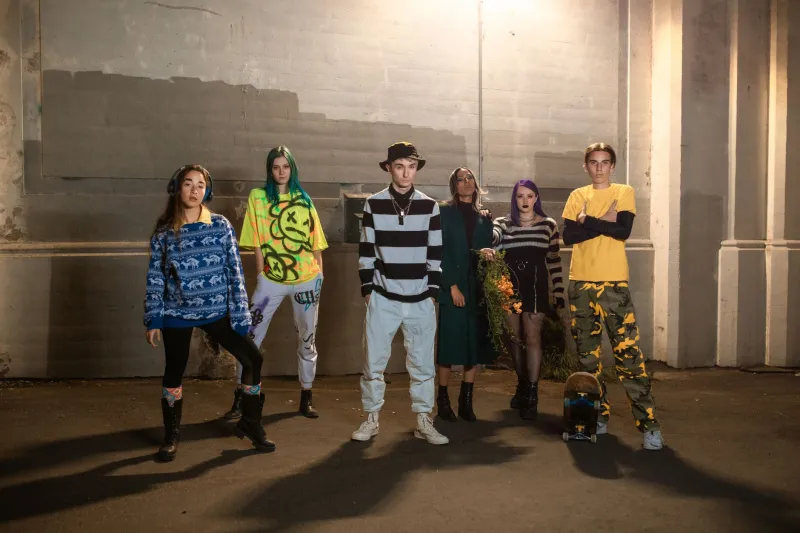
From demon-core graphics to goth-inflected streetwear, younger consumers are building entire identities around imagery that mainstream fashion once kept at arm's length. This isn't a phase — it's a movement. And it's reshaping what 'cool' looks like from the ground up.

Lost in the Rebrand: What Actually Happens When Japanese Subcultures Get Swallowed by the American Mainstream
Opinion

Lost in the Rebrand: What Actually Happens When Japanese Subcultures Get Swallowed by the American Mainstream

Decora, fairy kei, goth lolita — these aren't costume aesthetics or mood board material. They're living subcultures built by real communities in Japan. But once American retail gets involved, the transformation is swift, often profitable, and almost always incomplete. We need to talk about what disappears in that translation.

Wired and Armored: How Techwear Became the Uniform of a Generation That Refuses to Choose Between Function and Fury
Culture & Style

Wired and Armored: How Techwear Became the Uniform of a Generation That Refuses to Choose Between Function and Fury

Techwear isn't just clothing — it's a philosophy stitched into waterproof fabric and cargo pockets. Gen Z didn't stumble onto this aesthetic by accident; they built it into an identity. Here's why angular silhouettes and dystopian utility are speaking louder than anything else on the street right now.

The Oni Mask Isn't a Trend — It's a Statement: Wearing Japanese Symbolism the Right Way
Opinion

The Oni Mask Isn't a Trend — It's a Statement: Wearing Japanese Symbolism the Right Way

The oni mask has gone from temple gates and festival floats to hoodies, tattoos, and high-fashion runways. But what does it actually mean to wear that imagery — and does it matter? We think it does, and here's why getting it right is worth the conversation.

East Meets West: How Japanese Street Style Quietly Rewrote the Rules of American Fashion
Culture & Style

East Meets West: How Japanese Street Style Quietly Rewrote the Rules of American Fashion

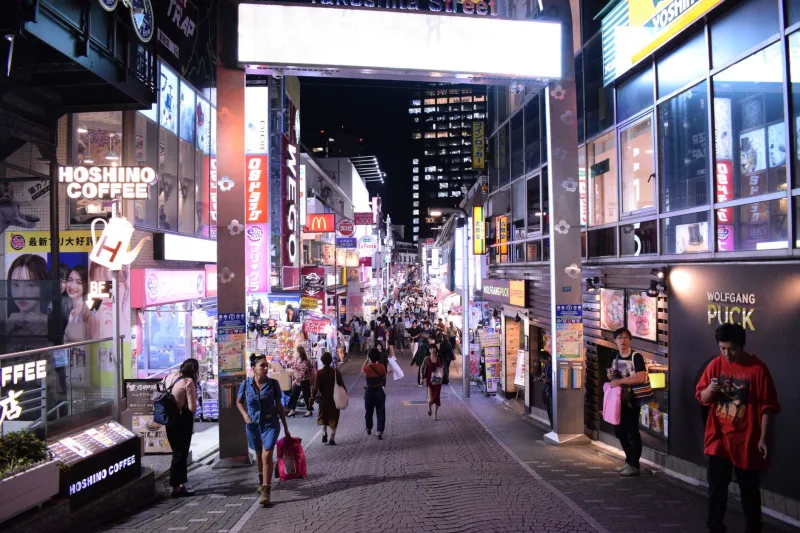
Long before algorithm-driven trends dominated our feeds, a creative current was flowing from the backstreets of Harajuku and Shibuya straight into the DNA of American style. Japanese streetwear didn't just influence US fashion — it fundamentally changed how we think about what clothes are supposed to say. Here's how it happened, and why it still matters.